The Silent Scourge of Snoring: More Than Just a Nuisance
Snoring is a nocturnal symphony familiar to nearly half the population in industrialized nations. The rattling, grunting, or saw-like sounds can disrupt not only the sleep of the snorer but also that of their partner, transforming restful nights into a battleground of broken sleep. While often dismissed as a mere annoyance, snoring can sometimes be a harbinger of more serious underlying health conditions, particularly sleep apnea. Understanding the mechanics behind these nightly noises is the first step toward reclaiming peaceful, healthy sleep, and for many, the solution lies in an innovative dental device known as a mouthguard, or in German, a
Zahnschiene Gegen Schnarchen.
Unpacking the Mechanics: What Causes Snoring?
At its core, snoring is a mechanical process. As we drift into sleep, our body naturally relaxes, and muscles throughout the body become slack. This relaxation extends to the muscles in the throat and pharynx. Specifically, the uvula, the soft palate, and the base of the tongue tend to shift backward, encroaching upon and narrowing the crucial airways.
When air is inhaled or exhaled through these now-restricted passages, it causes the relaxed tissues to vibrate. This vibration is the source of the distinctive sounds we associate with snoring. While light snoring might be a harmless phenomenon for some, any significant narrowing of the airways can impede proper breathing and signal a more serious health concern that warrants professional attention.
Beyond the Noise: The Threat of Sleep Apnea
While snoring itself isn't classified as a disease, it becomes a dangerous symptom when it leads to physical impairments, such as a complete or partial blockage of the airways. This critical condition is medically termed "apnea" or "sleep apnea," and it absolutely requires medical evaluation. Sleep apnea comes in several forms, each with its own implications:
Hypopnea
In cases of hypopnea, the airflow is significantly reduced, typically by about 50%, but doesn't cease entirely. These episodes, where breathing is shallow or abnormally slow, can occur approximately 10 times or more per hour during sleep. Although less severe than complete blockages, frequent hypopnea can still lead to fragmented sleep and daytime fatigue.
Central Sleep Apnea (CSA)
Central sleep apnea is distinct because the airways remain open. The core issue here lies with the brain, which fails to send proper signals to the respiratory muscles to initiate breathing during sleep. This means the body momentarily "forgets" to breathe. The risk of central apnea tends to increase with age, and it highlights a neurological component to sleep-disordered breathing.
Obstructive Sleep Apnea (OSA)
Obstructive Sleep Apnea (OSA) is the most common and often the most severe form. Here, the airways become completely blocked, meaning breathing is entirely interrupted for several seconds, multiple times per hour. This intermittent lack of oxygen can have profound health consequences. OSA disproportionately affects men over the age of 50 and women after menopause.
The repercussions of untreated OSA extend far beyond just feeling tired. In the short term, individuals may experience chronic daytime fatigue, difficulty concentrating, memory problems, irritability, and even an increased risk of accidents. Long-term, the repeated oxygen deprivation and stress on the body can contribute to serious health issues such as high blood pressure, heart disease, stroke, diabetes, and impaired immune function. It can also lead to mental health challenges like depression and panic attacks, and significantly strain personal relationships due to sleep disruption.
Many individuals who snore, especially those suffering from milder forms, might not even realize the potential health complications. However, if snoring becomes a disruptive factor for the individual or their loved ones, or if symptoms of sleep apnea like daytime fatigue are present, seeking professional medical advice is paramount. A dentist or sleep specialist can help identify the root cause and recommend appropriate treatment.
Mouthguards (Zahnschienen): A Proven Solution for Quieter Nights
Fortunately, there are effective, non-invasive solutions available to combat snoring and mild to moderate sleep apnea. One of the most successful and increasingly popular options is the custom-fitted oral appliance, commonly known as a snoring mouthguard or dental splint. In Germany, these devices are widely known as a
Zahnschiene Gegen Schnarchen, literally translating to 'dental splint against snoring'.
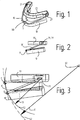
The concept behind these mouthguards is elegantly simple yet remarkably effective. The appliance is worn comfortably in the mouth before bedtime, much like a retainer. Its primary function is to gently push the lower jaw forward into a slightly advanced position. This forward movement, in turn, prevents the tongue muscles and the soft palate from collapsing backward into the throat. By maintaining an open and unobstructed airway, the dental splint effectively counteracts the backward displacement of the pharyngeal muscles, eliminating the tissue vibration that causes snoring.
The success rate of these snoring mouthguards is impressive, boasting an effectiveness of up to 90% for reducing or eliminating snoring and alleviating symptoms of mild to moderate sleep apnea. This high success rate, combined with their non-invasive nature, makes them a highly attractive alternative to more complex or surgical interventions. To learn more about the effectiveness, you can read our article:
Snoring Mouthguards: 90% Success for Quieter, Restful Nights.
From a financial perspective, these custom-fitted mouthguards typically range from approximately 400 to 700 Euros. While this may seem like an initial investment, it is often considerably more cost-effective compared to other long-term therapeutic options for sleep apnea. Furthermore, in many regions, including Germany, the costs are frequently covered by statutory health insurance, making this effective treatment accessible to a wider population. We delve deeper into the financial aspects here:
Snoring Mouthguards: Cost-Effective Relief & Insurance Coverage.
Choosing the Right Mouthguard and What to Expect
The journey to a quieter night with a snoring mouthguard begins with a visit to your dentist or a sleep specialist. This initial consultation is crucial for an accurate diagnosis and to determine if an oral appliance is the right treatment for you. The dentist will conduct a thorough examination of your mouth, jaw, and airway.
If a snoring mouthguard is deemed suitable, the process typically involves taking precise impressions of your teeth and jaw. These impressions are then used to custom-fabricate an appliance that fits perfectly and comfortably within your mouth. The fitting process itself is painless, and the custom nature ensures maximum comfort and efficacy.
Custom-Fitted vs. Over-the-Counter Options
While there are over-the-counter "boil-and-bite" mouthguards available, they generally lack the precision and effectiveness of custom-fitted devices. A dentist-prescribed oral appliance is designed to perfectly fit your unique oral anatomy, ensuring optimal jaw positioning and minimizing discomfort or potential bite issues.
Adapting to Your New Appliance
Upon receiving your custom
Zahnschiene Gegen Schnarchen, there might be a short adjustment period. Some individuals report minor initial jaw soreness or increased salivation, but these symptoms typically subside within a few days or weeks as your mouth adapts. Your dentist will provide clear instructions on how to insert, remove, and clean your appliance to ensure its longevity and hygiene. Regular follow-up appointments will also be scheduled to monitor your progress and make any necessary adjustments.
A growing trend in orthodontics, Invisalign clear aligners, has also been explored as a potential option for certain snoring issues. While primarily designed for teeth straightening, in some cases, the ability of Invisalign to subtly adjust jaw position might offer benefits for mild snoring. However, dedicated custom-fitted oral appliances remain the gold standard specifically for snoring and sleep apnea management due to their targeted design for jaw advancement.
Conclusion: Reclaiming Restful Nights and Robust Health
Snoring, whether a harmless nuisance or a symptom of serious sleep apnea, impacts millions and significantly affects quality of life. The understanding of its mechanical causes has paved the way for highly effective, non-invasive treatments like the snoring mouthguard, or
Zahnschiene Gegen Schnarchen. By gently repositioning the jaw and ensuring an open airway, these devices offer a simple yet powerful solution to prevent apnea, reduce snoring, and restore healthy, uninterrupted sleep.
If you or your partner struggle with snoring or suspect sleep apnea, don't delay in seeking professional advice. A visit to your dentist or a sleep specialist can clarify the underlying issues and guide you toward the most appropriate treatment, ultimately leading to quieter nights, improved health, and a revitalized sense of well-being.